Loading…
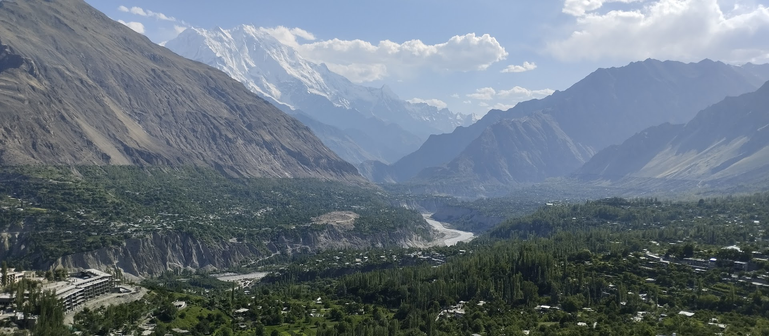
Hunza · the Karakoram Highway
Hunza
5 days · 4 nights
Five days on the Karakoram Highway: Altit and Baltit forts and sunset at Duikar Hill, a long day up to Khunjerab Pass with Passu and Attabad Lake on the way back, and Rakaposhi and Babusar Top on the road home.
Some journeys announce themselves slowly. The drive to Hunza is one of them - two days on the Karakoram Highway, the highest paved international road on earth, through Naran and Chilas and Gilgit before the valley finally opens ahead of you. By the time you arrive in Karimabad, you have already crossed rivers, climbed passes, and passed through landscapes that bear no resemblance to one another. The destination is waiting. So is the feeling that you have already begun.
Hunza itself asks to be taken at walking pace. The two forts that anchor Karimabad - Altit and Baltit - are not monuments to be checked off but places to be read slowly, layer by layer, dynasty by dynasty. Altit is the older of the two, its foundations reaching back over nine hundred years, its village below still quietly inhabited. Baltit sits higher, looking out over the valley with the particular authority of a place that governed it for centuries. The evening belongs to Duikar Hill, where the valley spreads below and the light on Rakaposhi and Ultar Sar does what light at altitude does - which is to say, something that photographs cannot fully account for.
The long day comes third. The road north from Karimabad passes the Hussaini Suspension Bridge - one of the more thrillingly precarious crossings in Pakistan, and one that children will either refuse entirely or want to cross twice - before climbing toward the Khunjerab Pass at nearly five thousand metres, where Pakistan ends and China begins. The return brings Passu, with its cathedral glaciers rising directly from the valley floor, and Attabad Lake, the improbable turquoise expanse created by a landslide in 2010, its submerged villages still visible beneath the water on a clear day.
The road south on the final full day stops at Ghulmet for the Rakaposhi viewpoint - the mountain's full eight-thousand-metre sweep visible from the valley floor in a way that few peaks anywhere allow - before descending through Gilgit and climbing again to Babusar Top, where the Karakoram gives way to the green of Kaghan. Naran is the last night, a gentle landing before Islamabad.
What this trip covers
- Five days on the Karakoram Highway, with the road itself as part of the experience
- Altit and Baltit as unhurried full explorations rather than brief stops
- Khunjerab Pass - the roof of the highway, and a moment children tend to remember
- Attabad Lake and Passu on the same day, with the glaciers and the water as counterpoints to each other
- Babusar Top and Kaghan as a closing arc that brings the mountains down gradually, rather than ending abruptly
Day by day
5 days, each one open below — tap a day to see the plan.
Day17 JulyIslamabad to Gilgit
- Departure from Islamabad
- Stop in Naran
- Stop in Chilas
- Arrival & night-stay in Gilgit
Day28 JulyGilgit to Hunza
- Departure from Gilgit
- Arrival at hotel
- Visit Altit Fort & Altit Village
- Visit Baltit Fort & Old Karimabad
- Sunset at Duikar Hill
- Night-stay in Aliabad / Karimabad
Day39 JulyKhunjerab Pass, Passu and Attabad Lake
- Departure from Aliabad / Karimabad
- Stop at Hussaini Suspension Bridge
- Visit Khunjerab Pass
- Stop in Passu
- Stop at Attabad Lake
- Night-stay in Aliabad / Karimabad
Day410 JulyHunza to Naran via Babusar Top
- Departure from Aliabad / Karimabad
- Stop at Rakaposhi Viewpoint, Ghulmet
- Stop in Gilgit
- Stop at Babusar Top
- Arrival & night-stay in Naran
Day511 JulyNaran to Islamabad
- Departure from Naran
- Arrival in Islamabad
Where you'll stay
A selection of the hotels on this route — the full stay list is confirmed as part of planning.
Rockwood Resort
Naran / Batakundi · Standard package
Manila Heights Hotel
Naran / Batakundi · Standard package
Mountain Feast
Naran / Batakundi · Deluxe package
Park Hotel
Gilgit · Standard package
Avari Xpress
Gilgit · Deluxe package
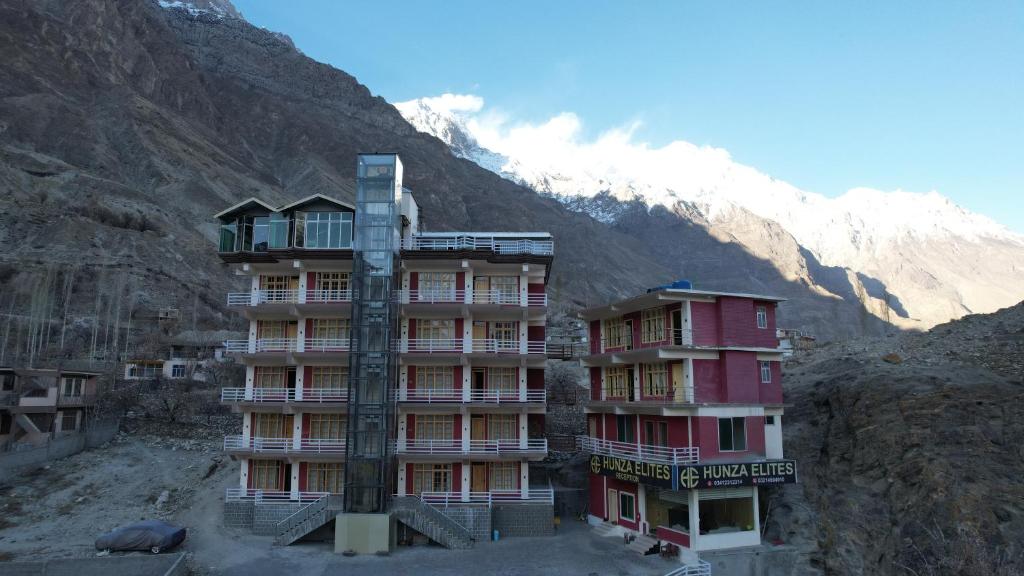
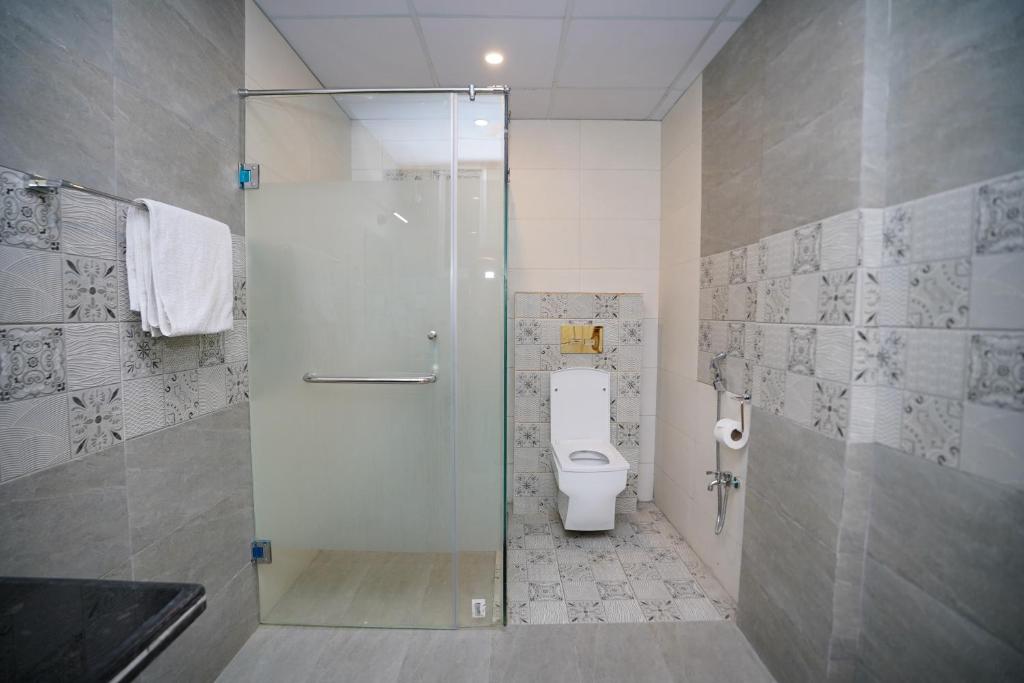
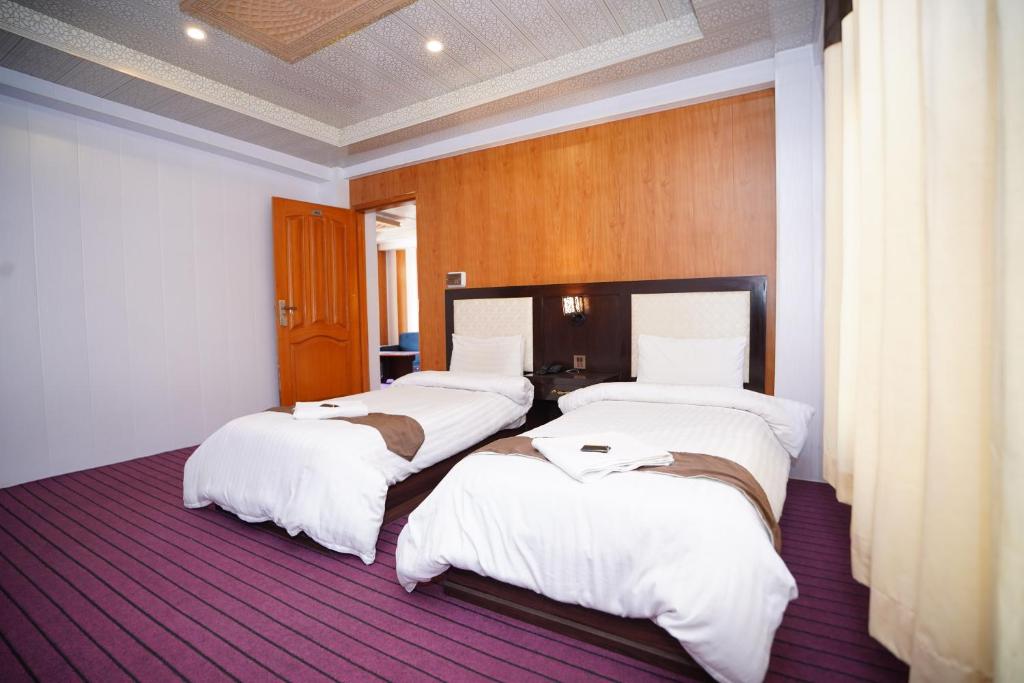
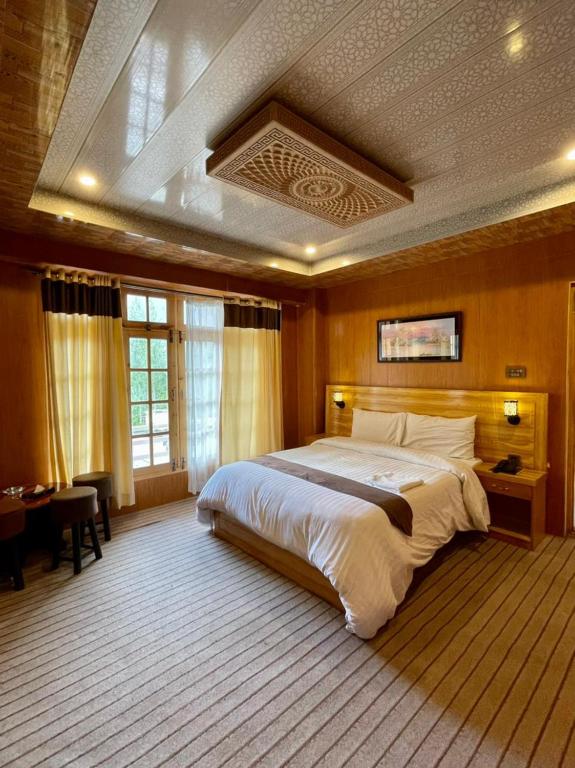
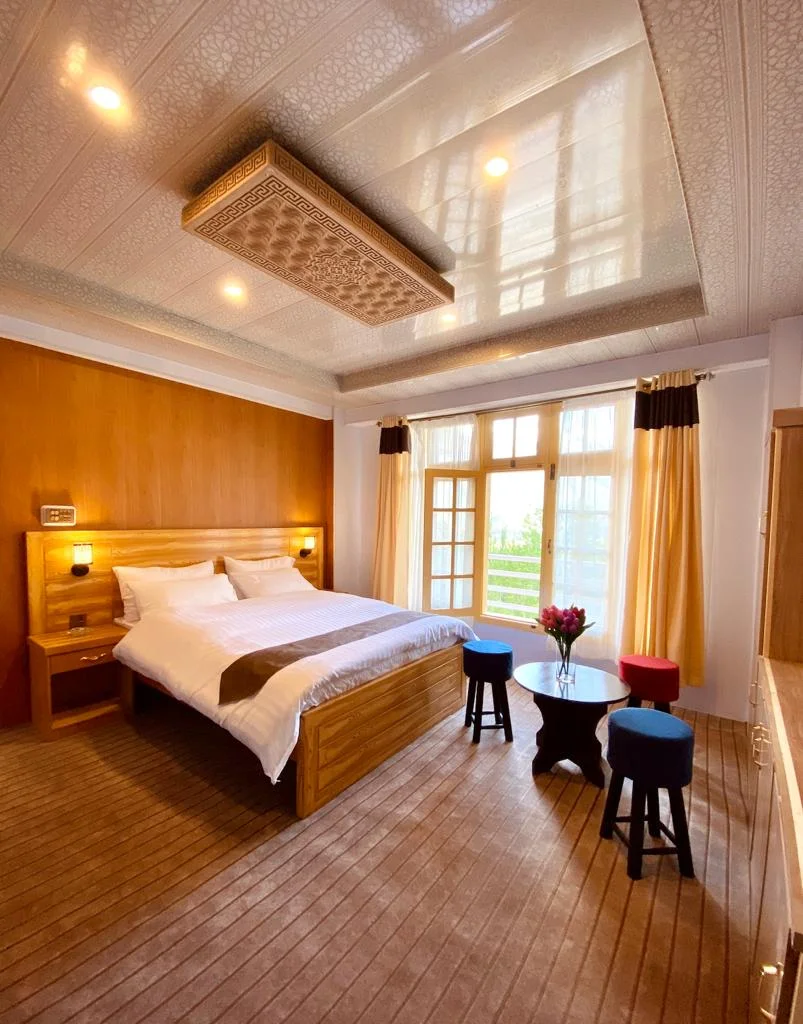
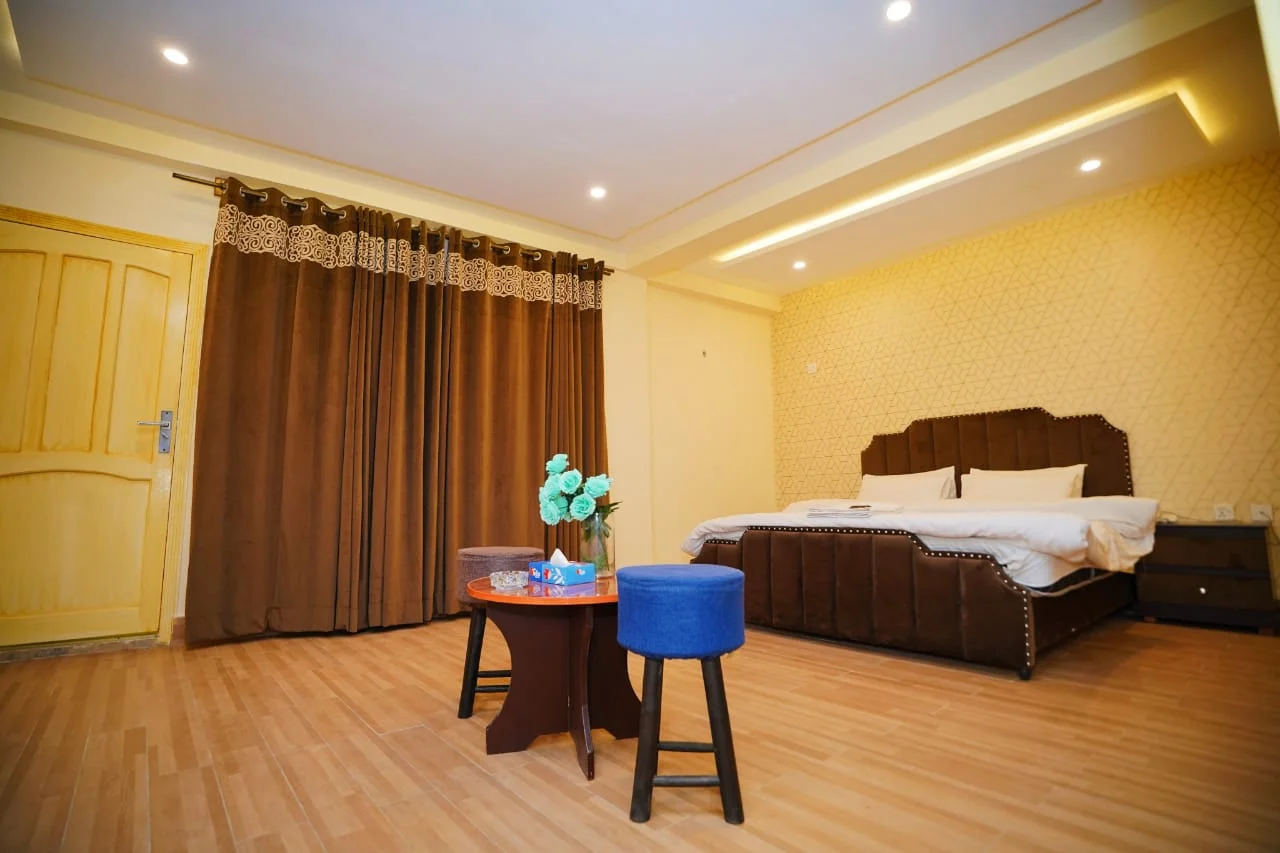
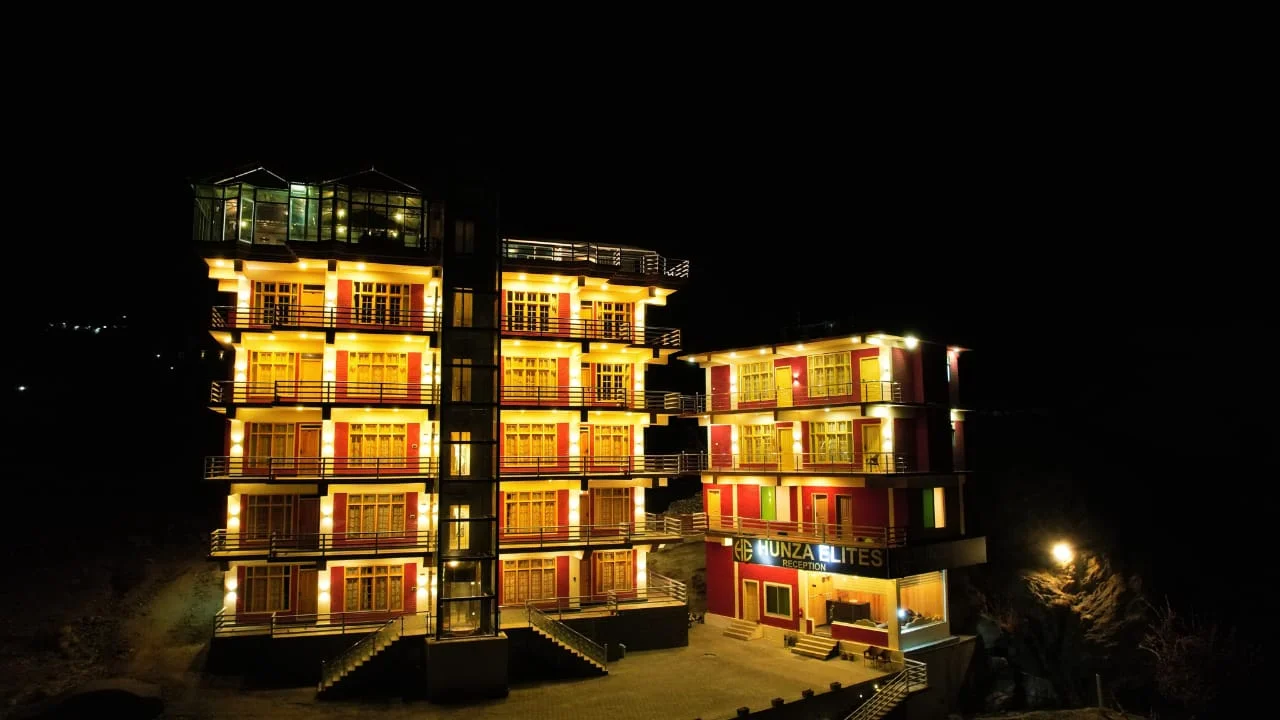
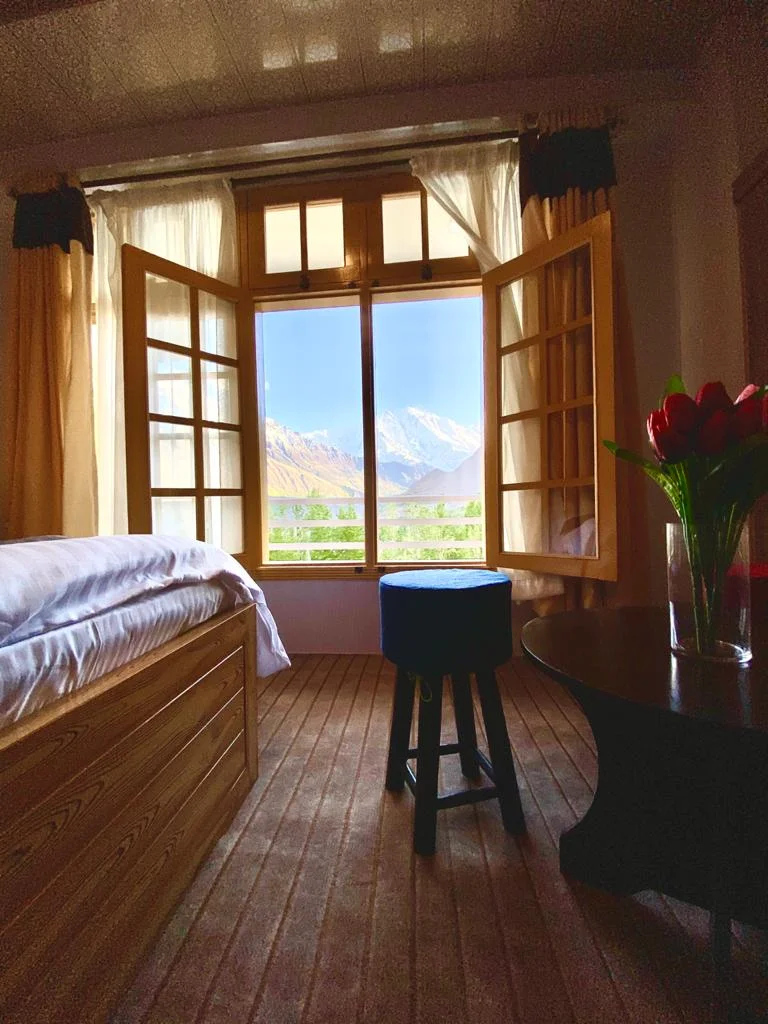
Hunza Elites
Hunza, Gilgit-Baltistan
Qayam Hunza
Hunza · Deluxe package
Weather along the way
| Region | Day | Night | Conditions | What to wear |
|---|---|---|---|---|
| Islamabad | 34–38°C | 26–28°C | Hot and humid, monsoon showers likely | Light, breathable clothing |
| Naran / Babusar Top | 12–24°C | 4–12°C | Cool and fresh; showers and cold wind at Babusar Top | Layers and a warm jacket for the pass |
| Chilas / Gilgit | 36–42°C | 22–26°C | Very hot and dry | Light, loose clothing; keep water in the car |
| Hunza (Aliabad / Karimabad) | 27–32°C | 15–18°C | Sunny and dry, cooler in the evenings | Light layers and a jacket for Duikar Hill at sunset |
| Khunjerab Pass | 5–12°C | -3–3°C | Cold and windy at nearly 4,700 m; thin air | Warm jacket, hat and gloves |
Food along the way
Hunza
Hunza's food is one of the quiet pleasures of the trip: simple, local, and built around apricots, walnuts, wheat and yoghurt. Try chapshoro (spiced meat baked inside flatbread), mamtu (steamed dumplings), and anything made with the valley's famous apricots, fresh in July and dried year-round. Karimabad's bazaar has small cafés and family-run places serving traditional Hunza dishes, and Cafe de Hunza is known for its walnut cake.
Worth trying: Cafe de Hunza
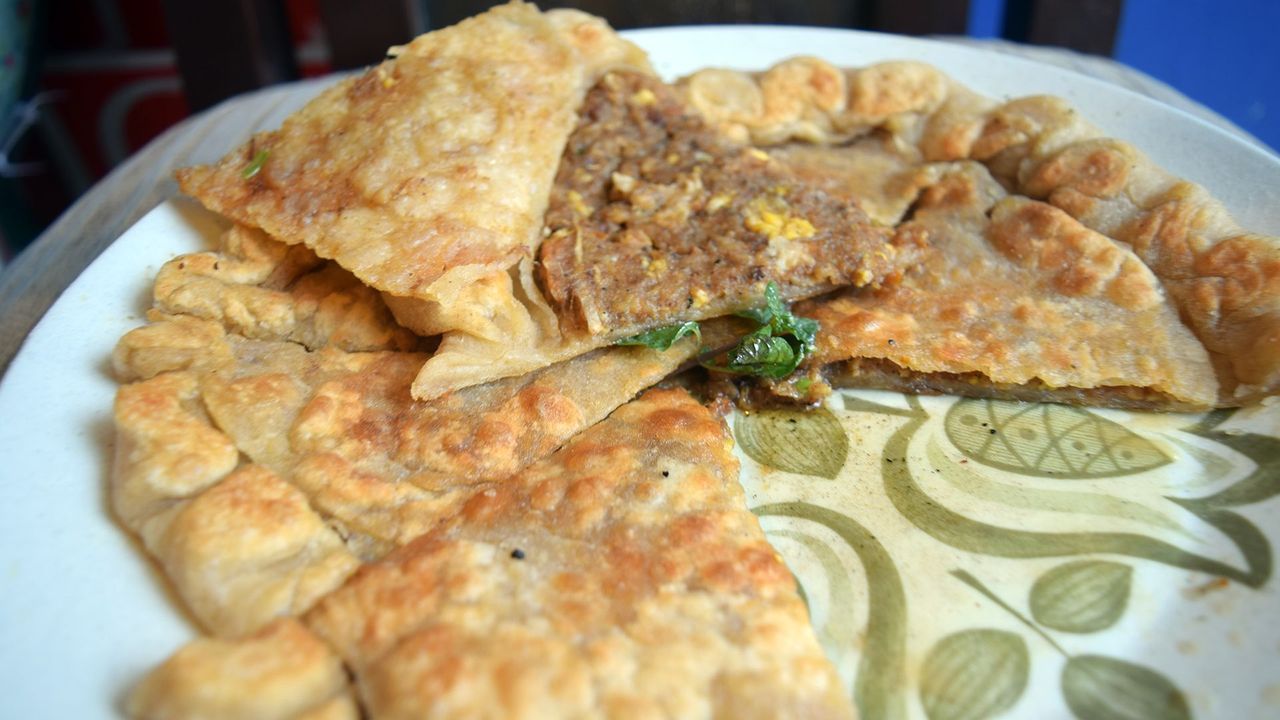
Chapshoro
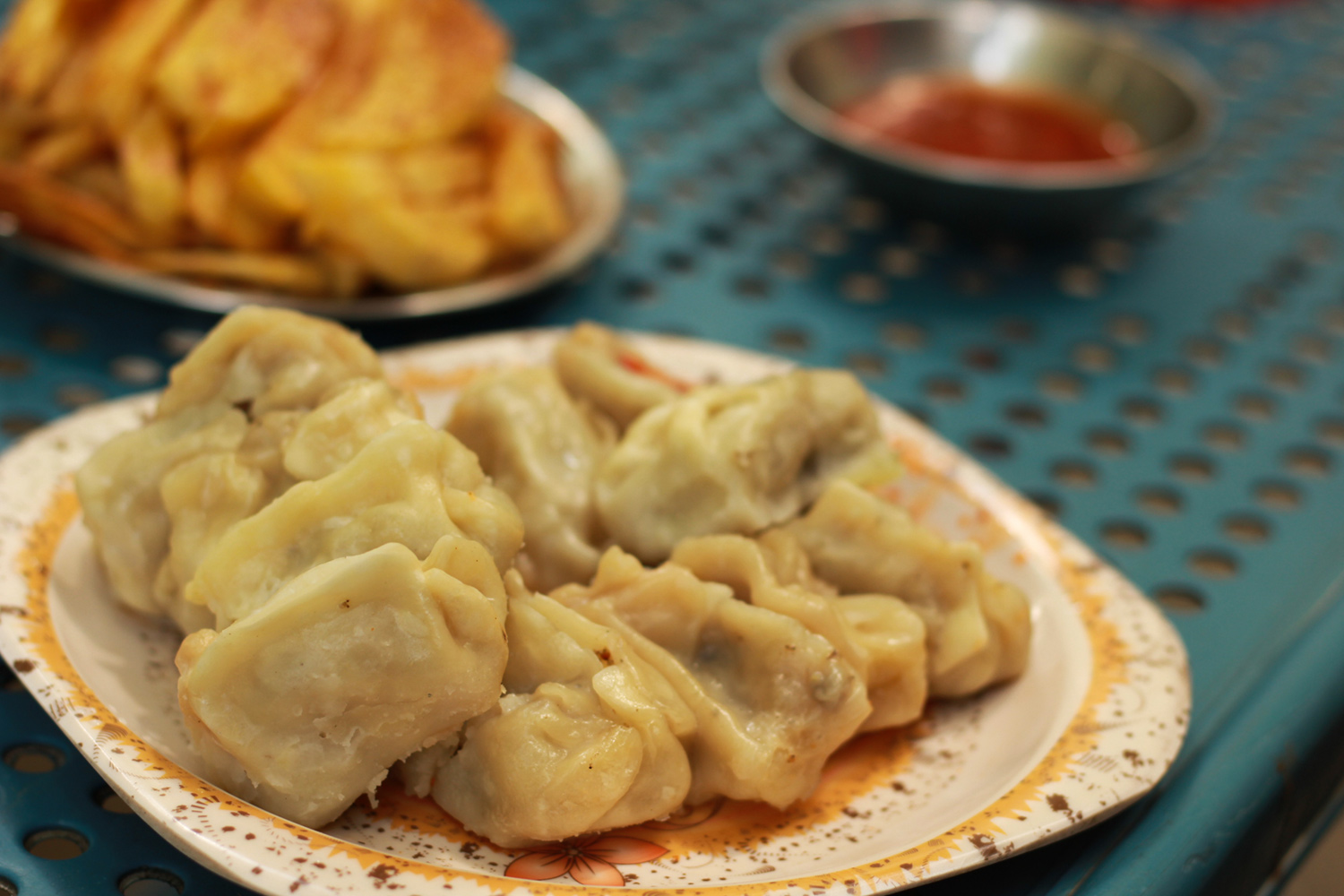
Mamtu
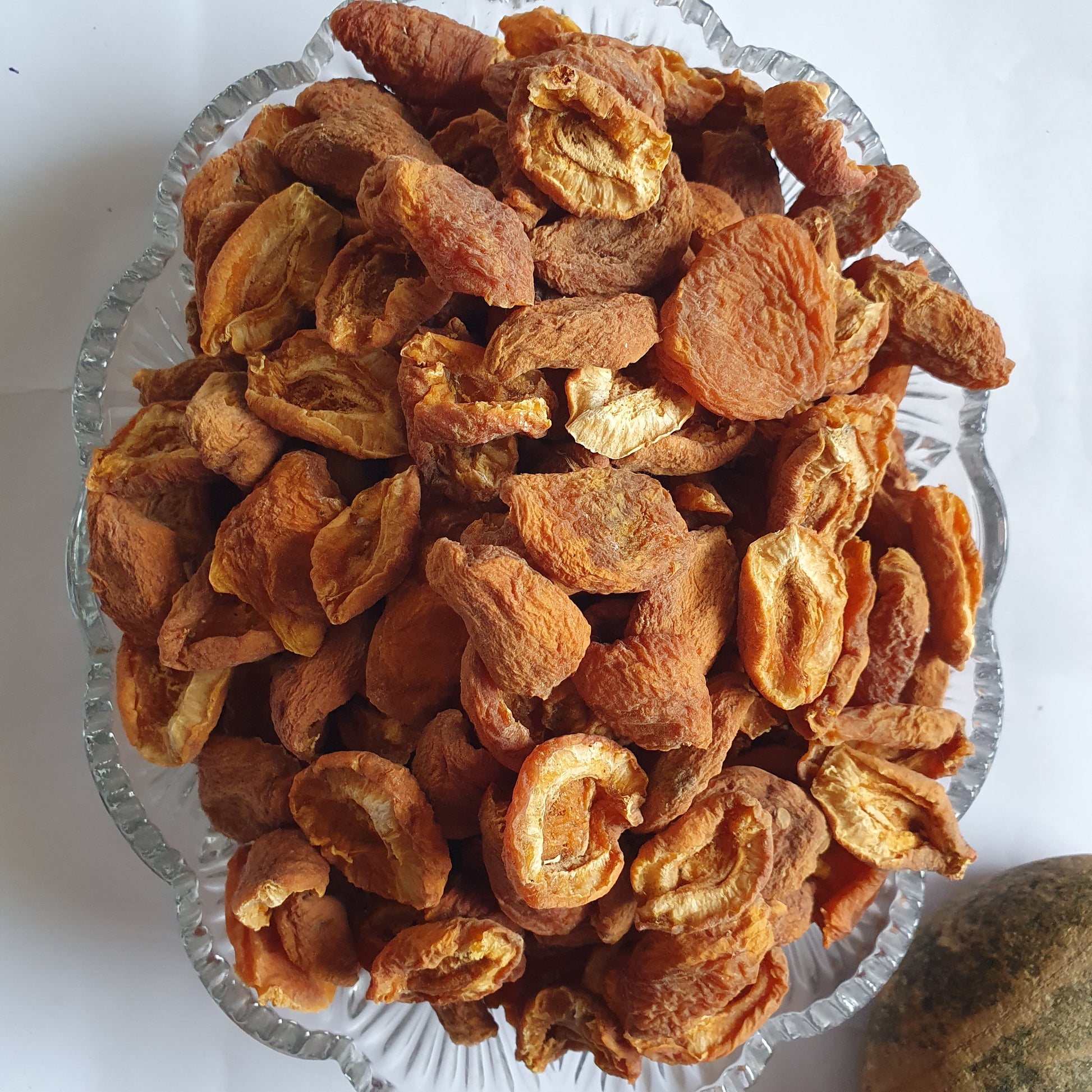
Khubani
Naran
Naran is the last night and the easiest place on the route to eat well without planning. The Kunhar River trout is the local speciality - usually fried and served fresh along the main bazaar - and most hotels and roadside restaurants serve dependable karahi and barbecue in the evenings.
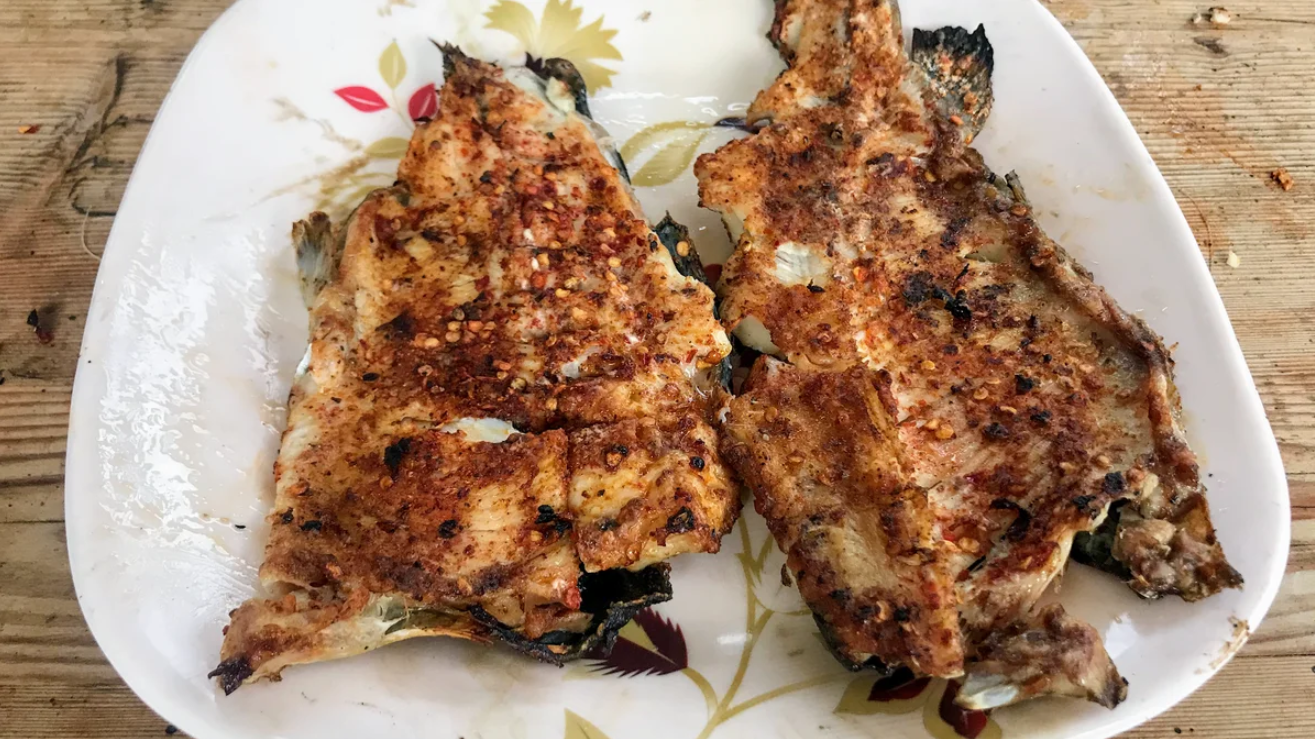
Trout Fish
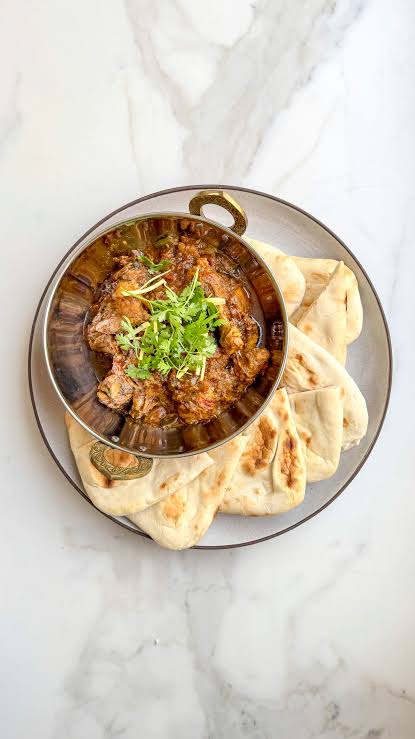
Chicken Karahi and Naan
What this trip costs
What's included
- Accommodation, 1 room per night: 3-star hotels on the Standard package, 4-star on the Deluxe package
- Vehicle (BRV) for transport, with driver and fuel
- Breakfast (dinner is not included)
- Khunjerab Pass
- Service charges
Want something like this?
We'll build a route around your dates and your group
Every client trip starts as a conversation — where, when, how many, and how you like to travel. Send us a message and we'll put a plan together.